An EU degree
The Bologna system and ECTS credits — the degree is recognised across Europe.
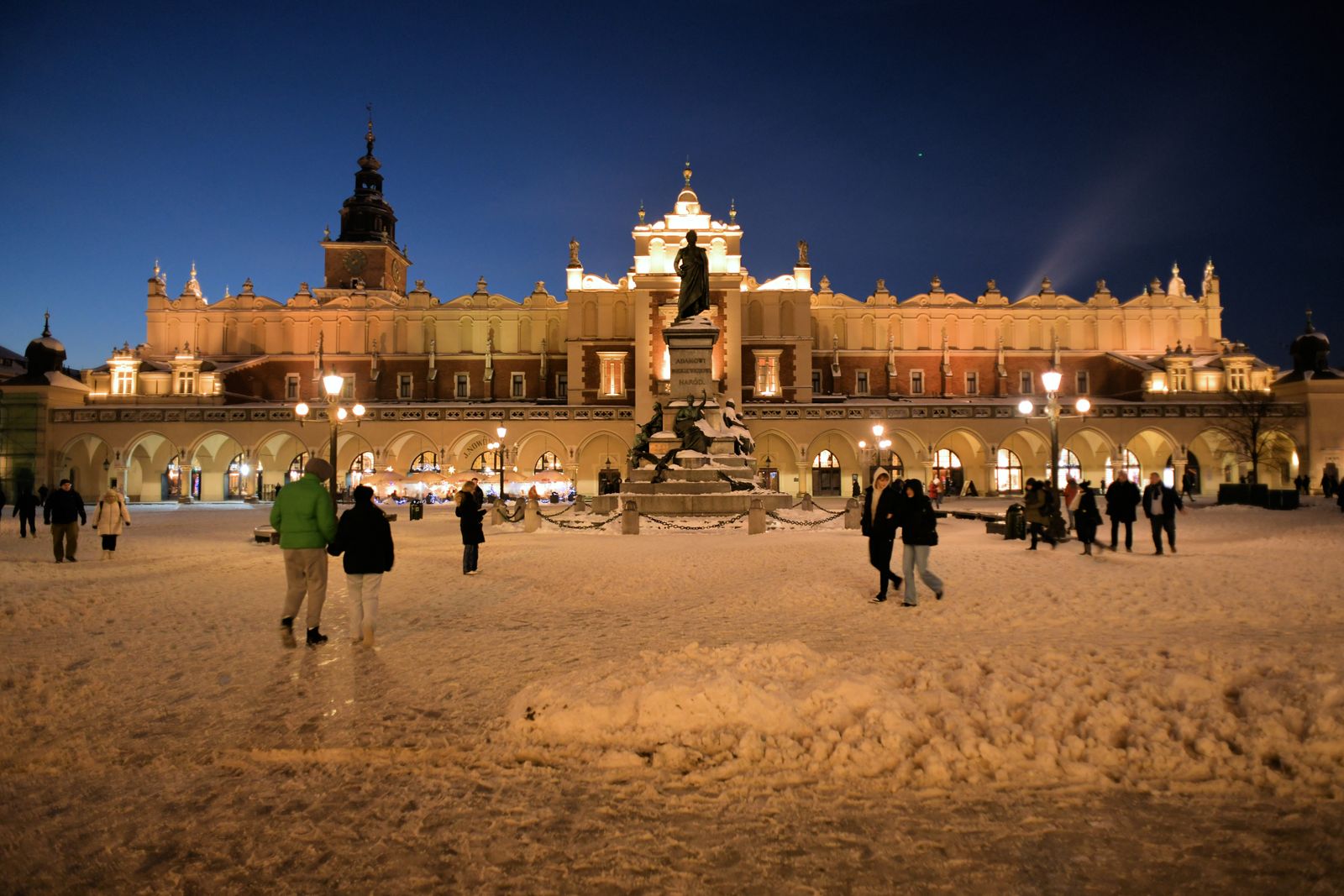
A European degree, programmes in English and Polish, a clear budget and the chance to work while studying.
a year — study in English, from
a bachelor's under the Bologna system
the main intake — October
to look for a job after graduation
European quality and the Schengen area — without European prices.
The Bologna system and ECTS credits — the degree is recognised across Europe.
Tuition and living are among the most affordable in the European Union.
Hundreds of programmes in English; Polish, a Slavic language, is learned quickly.
Full-time students may work without a separate permit.
With a residence permit — travel across the Schengen countries.
Strong medical universities with programmes for international students.
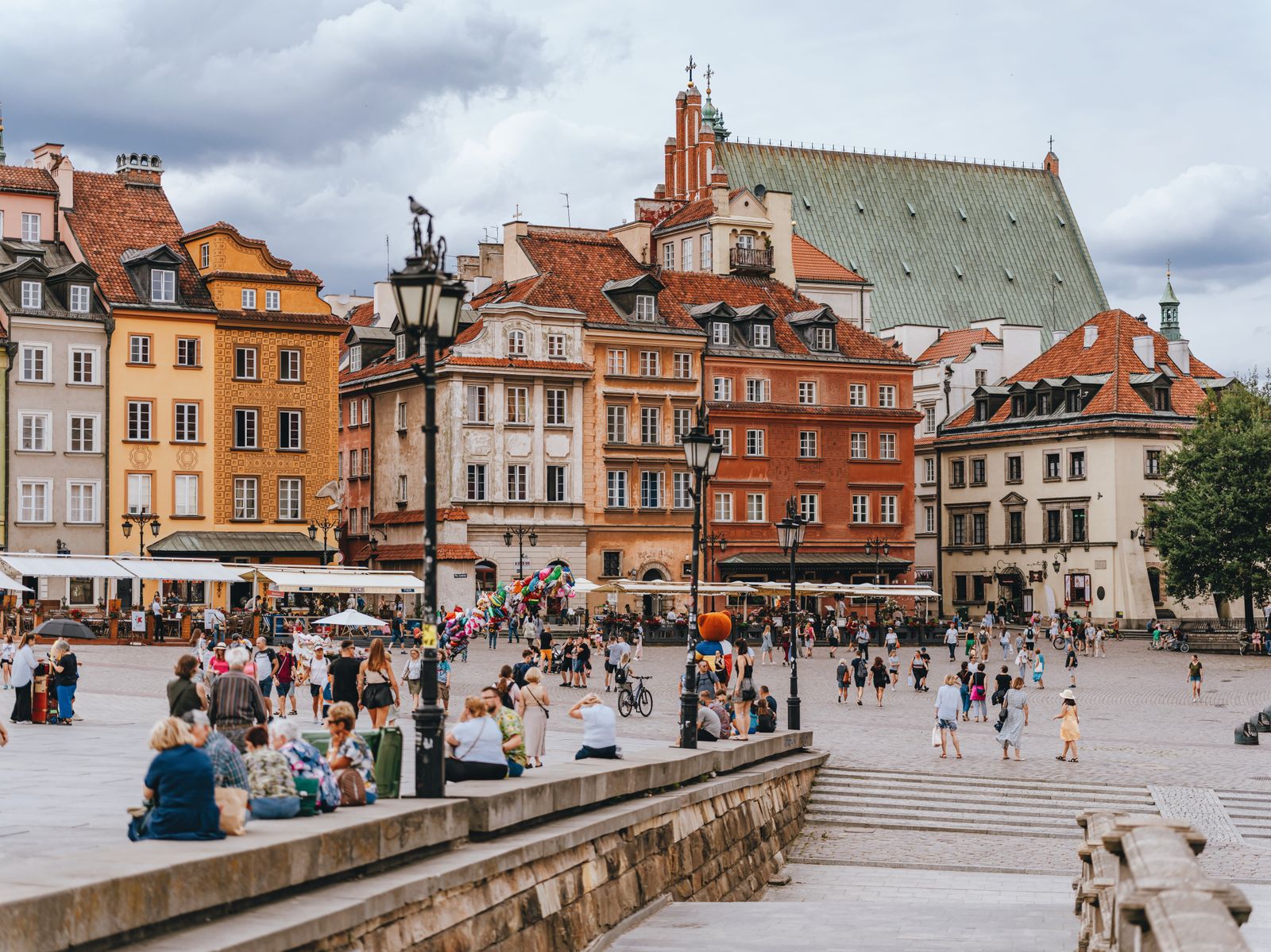
Warsaw, Krakow, Wrocław — cosy historic centres and modern campuses.
Public and private universities, a single Bologna system and many programmes in English.
Licencjat — 3 years, engineering programmes — 3.5–4 years.
Magister — with the option to continue to doctoral studies.
A single master's programme, available in English.
A preparatory Polish course for programmes in Polish.
Programmes in English cost from a few thousand euros a year; in Polish at public universities — free for certain categories of foreigners.
Warsaw and Krakow are pricier; Lublin, Łódź and Białystok are cheaper.
Approximate for the 2026/27 academic year; the exact cost is per your chosen university's price list.
For citizens of non-EU countries admissions close earlier — you need time for the visa.
Consultation, programmes, budget.
Online registration, documents, sometimes an interview.
Letter of acceptance and payment for the first semester.
Submission to the consulate, insurance, housing.
Start of the academic year, then — a temporary residence card.
Requirements differ between universities; below is a typical package for a bachelor's degree.
To study, citizens of Kazakhstan obtain a national D visa, and in Poland — a temporary residence card.
Submission is at the Polish consulate in Kazakhstan. After arrival you can apply for a temporary residence card for the whole period of study.
We check the consulate's requirements before applying — they change.
We help you get into Poland's leading universities. Our team is already training on the programmes of Kozminski University in Warsaw.
Warsaw · business school
The current list of universities and terms — at a consultation.
These are examples of well-known universities, not a list of Al Ma Dei partners. Check partners and admission terms at a consultation.
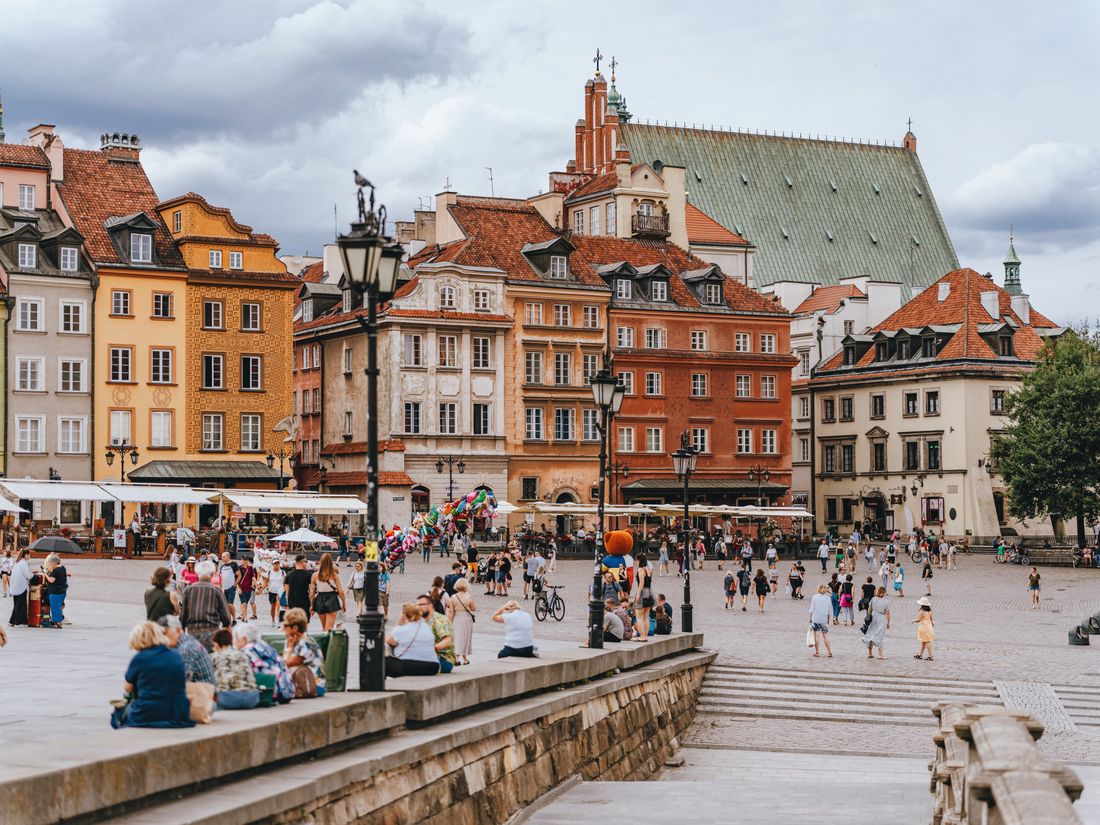
The largest universities, offices of international companies and internships.
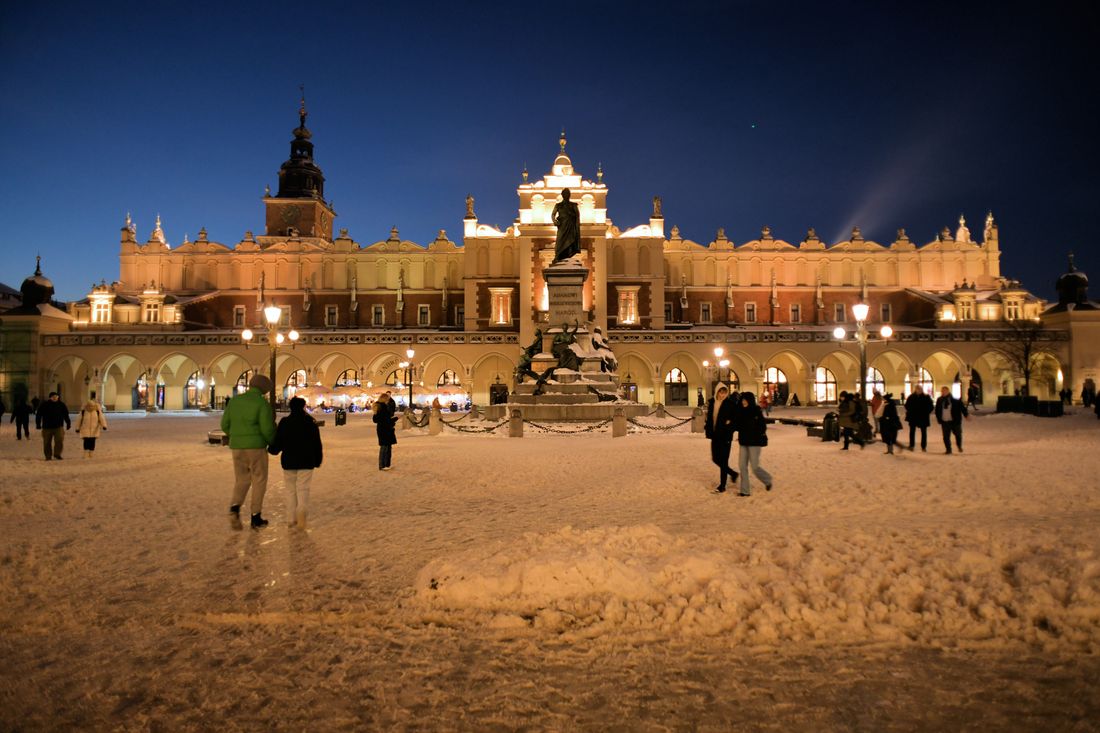
Poland's oldest university and the most atmospheric student life.
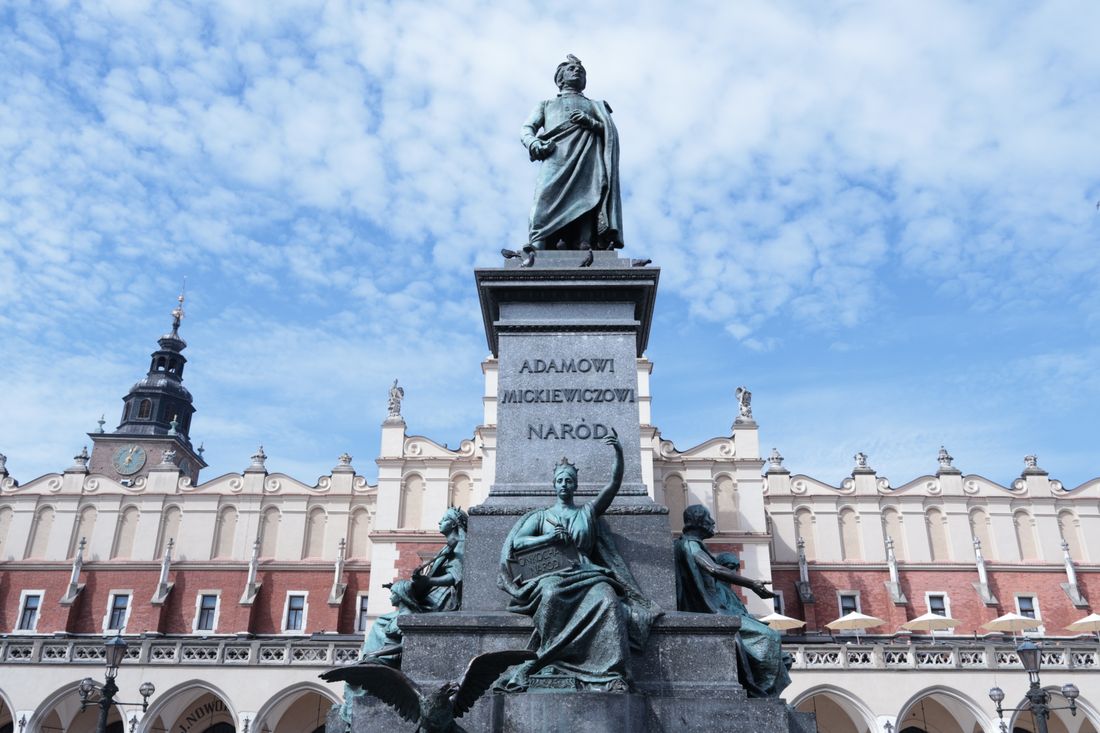
Cafés, museums and festivals — all within walking distance.
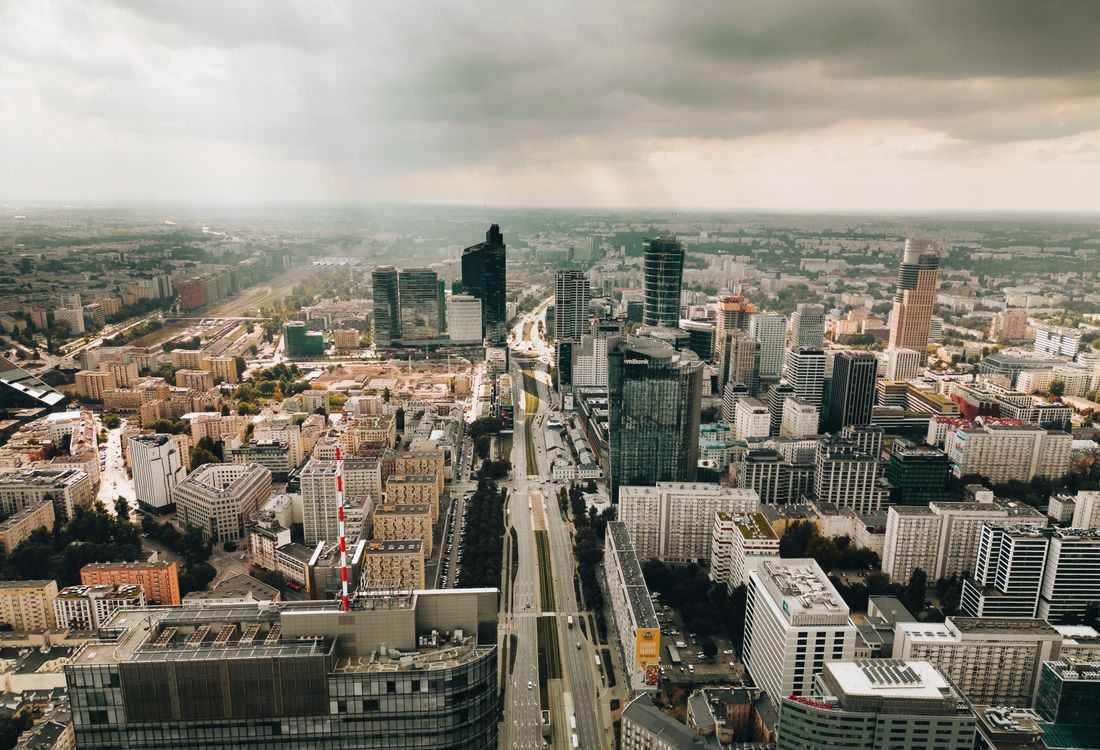
Internships and work at international companies.
Besides university discounts, there are Polish state programmes for international students.
The Polish National Agency for Academic Exchange supports international students.
Per the programmes' scheduleFor academic performance and early payment — at many private universities.
At the time of applicationFor holders of the Karta Polaka or a Polish C1 certificate.
At admissionPoland is one of the most convenient EU countries for student part-time work.
Full-time students may work without a separate work permit.
You can get a residence permit to look for work.
As a rule, yes — with a school certificate and apostille; some universities require a document recognition procedure.
No, if the programme is in English. Polish programmes require a B2 level — you can take a preparatory year.
Yes. Full-time students may work without a separate permit.
At the Polish consulate in Kazakhstan. We'll help you book an appointment and gather the documents.
Yes. With a national visa and a temporary residence card you can travel across the Schengen countries.
We'll pick a university and programme and help with documents, the D visa and housing.